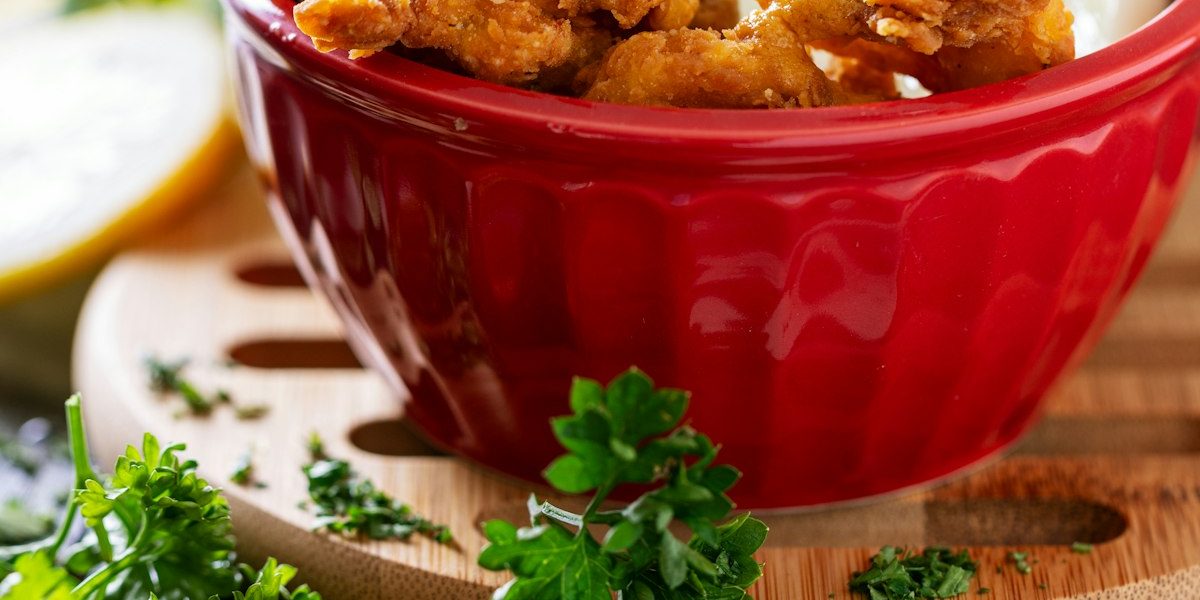
Introduction: The Hidden Art of Restaurant Comfort Food
There’s something almost magical about restaurant comfort food — that creamy mac and cheese, those melt-in-your-mouth mashed potatoes, or that crispy fried chicken that seems impossible to replicate at home. The truth? Behind every unforgettable bite are restaurant recipe secrets—the techniques chefs quietly use to make their dishes crave-worthy.
If you’ve ever wanted to bring that restaurant-level flavor into your own kitchen, you’re in luck. These seven secrets will transform your home cooking into the kind of restaurant-style comfort food you dream about.
(👉 Check out King’s Kitchen Main Courses for inspiration.)
Why We Love Restaurant Comfort Food
The Science of Flavor and Emotion
Comfort food connects more than just your taste buds — it’s pure emotion. When you dig into a creamy mac and cheese or a rich beef stew, your brain releases dopamine — the “feel-good” chemical. That’s no accident. Restaurants intentionally design flavors that tap into nostalgia and pleasure.
What Makes Restaurant Food Taste So Good
Chefs understand balance: salt, fat, acid, and heat. They enhance natural flavors through layered seasoning, proper cooking temperatures, and premium ingredients. A home cook may throw in a pinch of salt; a restaurant chef seasons three times — before, during, and after cooking.
If you’re ready to upgrade your game, browse King’s Kitchen Tips & Techniques for insider advice.
Secret #1: Mastering the Umami Balance
Understanding Umami: The Fifth Flavor
Ever wonder why some dishes just hit differently? That’s umami — the savory depth found in ingredients like mushrooms, soy sauce, and Parmesan. It’s the key to making comfort dishes irresistible.
How Chefs Layer Umami in Comfort Dishes
Restaurants master umami through slow cooking, caramelization, and ingredient pairing. A chef might add tomato paste to the pan early to build depth or toss in a splash of soy sauce to amplify flavor.
Try using Worcestershire sauce in your gravies or soups — it’s a secret weapon you’ll find in many restaurant-style beef recipes.

Secret #2: The Power of Fat and Texture
Why Texture Rules Comfort Food
Texture is the silent hero of comfort food. Think about crispy fried chicken, creamy mashed potatoes, or a chewy brownie. Fat helps deliver that mouthfeel — it’s what gives restaurant dishes their satisfying contrast.
Restaurant Tricks for Crispy, Creamy, and Crunchy Perfection
Chefs use techniques like double frying, tempering cream, and finishing dishes with a touch of butter for extra richness. Want to recreate those addictive bites? Visit King’s Kitchen Fried Food Recipes for pro-level crispy secrets.
Secret #3: Building Depth with Stocks and Reductions
The Secret Sauce: Slow-Simmered Stocks
Ask any chef — flavor depth starts with a great base. Stocks and reductions are the backbone of restaurant comfort dishes. Whether it’s chicken noodle soup or gravy, that deep flavor comes from hours of slow simmering.
Learn the art of homemade stocks at King’s Kitchen Home Kitchen Tips.
How to Make Restaurant-Style Sauces at Home
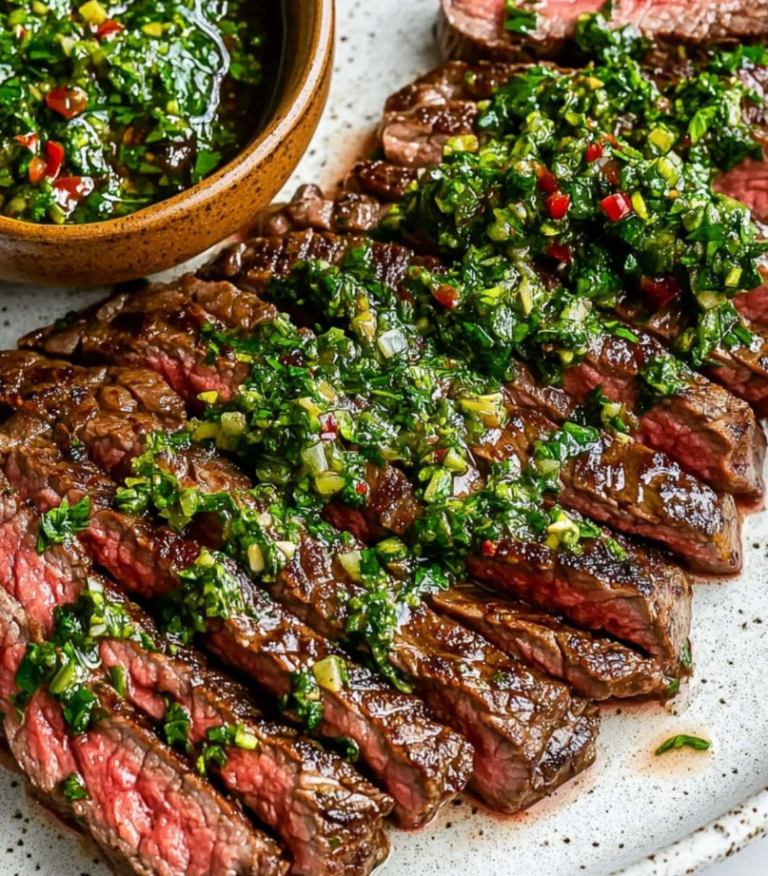
Restaurants use reductions to intensify flavor. After searing meat, they deglaze the pan with wine or broth, scrape the brown bits, and simmer until glossy. That’s how you get those silky sauces that cling to every bite of pasta or steak.
Speaking of steak — don’t miss King’s Kitchen Steakhouse Secrets.
Secret #4: The Art of Seasoning and Timing
Layered Seasoning Techniques
Chefs never just season once. They build flavor layers — from marinating meat to seasoning while cooking, and again at the end for finishing touches. Salt enhances natural flavor; pepper adds complexity.
You’ll find these pro tips in King’s Kitchen Efficiency & Kitchen Hacks.
Timing: The Unsung Hero of Comfort Cooking
Restaurant chefs know when to add ingredients for maximum flavor. Garlic burns fast, herbs fade quickly, and sauces need patience. Timing can mean the difference between “meh” and “magnificent.”
Secret #5: Presentation Meets Psychology
Why We Eat with Our Eyes First
Studies prove that we judge food before we taste it. Restaurants use plating to make meals feel gourmet — even simple comfort food. Clean lines, color contrast, and portion control are key.
See plating inspiration from King’s Kitchen Starters & Appetizers.
Easy Plating Tips from Restaurant Chefs
Use a white plate for contrast, a drizzle of sauce for style, and a sprinkle of fresh herbs for color. Even a classic copycat dessert looks professional with a dusting of powdered sugar.
Secret #6: Copycat Techniques for Restaurant Favorites
Reverse Engineering Comfort Classics
Copycat cooking is a true chef’s playground. It’s about studying restaurant dishes and decoding the secrets — ingredient ratios, sauces, textures — then recreating them at home.
Proven Copycat Recipes You Can Try Tonight
From Starbucks-style lemonades to restaurant mac and cheese, King’s Kitchen Copycat Recipes are packed with tried-and-tested comfort classics that actually work.
For something sweet, check out King’s Kitchen Desserts and Summer Treats.
Secret #7: The Ingredient Upgrade Rule
Why Freshness Always Wins
Fresh ingredients equal restaurant flavor. That’s why chefs choose real butter, fresh herbs, and aged cheese instead of shortcuts. Even small swaps — like using fresh garlic instead of powder — make a noticeable difference.
Budget-Friendly Ingredient Swaps That Boost Flavor
No need to overspend. Opt for budget-friendly upgrades like using kosher salt, real olive oil, and fresh lemon juice. Check out King’s Kitchen Affordable Meals for flavor-packed dishes on a budget.
How to Bring Restaurant Comfort Home
Tools, Temperatures, and Timing
Invest in basics: a cast-iron skillet, instant-read thermometer, and sharp knife. These help control temperature — the #1 factor in restaurant-quality results. You’ll find handy tools discussed in King’s Kitchen Cooking Tips.
Creating the Restaurant Experience at Home
Dim the lights, set the table, and serve with confidence. The restaurant feel isn’t just food — it’s presentation, pacing, and passion. Treat dinner as an experience, not a task.
Conclusion: Cooking with the Secrets in Mind
The magic behind restaurant comfort food isn’t locked away in a chef’s vault. It’s hidden in the details — umami layering, texture, seasoning, timing, and ingredient quality. When you apply these restaurant recipe secrets, you transform everyday meals into comforting, restaurant-worthy dishes.
Remember: great cooking isn’t about perfection — it’s about pleasure, patience, and practice.
FAQs
1. What’s the #1 restaurant recipe secret for comfort food?
Balancing umami and texture is the foundation of great comfort food. It’s how restaurants make dishes so satisfying.
2. Can I make restaurant-style comfort food at home?
Absolutely! Explore King’s Kitchen Main Courses for step-by-step guides.
3. How do chefs make sauces taste richer?
They use reductions, butter finishing, and homemade stocks to build depth.
4. What are some easy restaurant-style appetizers?
Try crispy starters and appetizers — they’re simple, crowd-pleasing, and full of flavor.
5. Why does restaurant fried food stay crunchy?
Chefs often use a double-fry method and rest the batter before cooking. See crispy appetizers for expert techniques.
6. How do I make desserts taste like restaurant versions?
Use real butter, fresh cream, and flavor extracts. Try King’s Kitchen Copycat Desserts for ideas.
7. Where can I learn more restaurant cooking hacks?
Visit King’s Kitchen Tips & Techniques for professional tricks every home cook should know.