
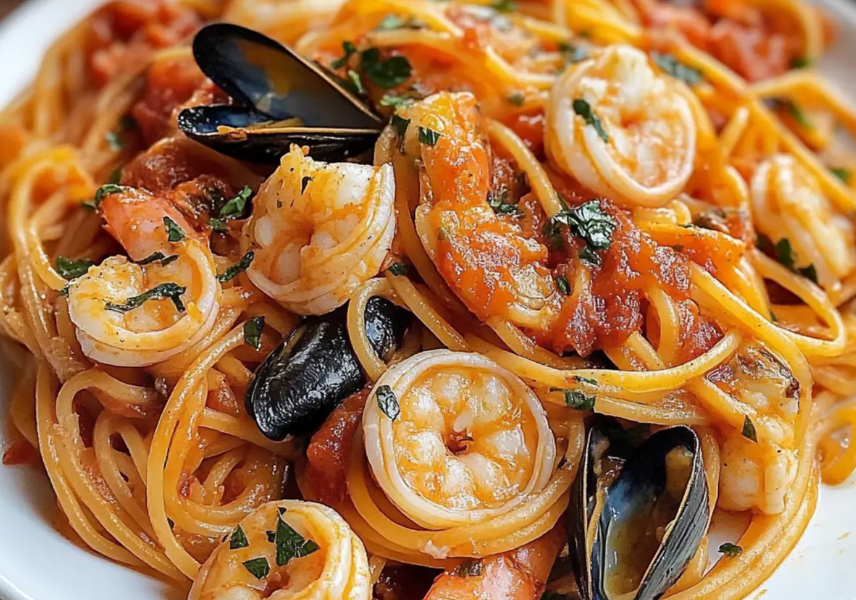
The Ultimate Classic Italian Seafood Pasta That Will Impress Everyone
Let’s be completely honest for a second: there is something incredibly intimidating about cooking seafood at home. For a lot of us, ordering a massive, steaming bowl of Classic Italian Seafood Pasta (often called Spaghetti allo Scoglio or Pasta alla Pescatora in Italy) at a fancy restaurant feels like a luxurious treat. But the thought of recreating that magic in our own kitchens? Cue the panic sweat.
We worry about rubbery shrimp. We stress over clams that refuse to open. We panic that the sauce won’t taste like that amazing little trattoria we visited (or dreamed of visiting) on the Amalfi Coast.
Well, I am here to tell you to take a deep breath and put down the takeout menu. Today, we are demystifying the ocean.
This Classic Italian Seafood Pasta recipe is about to become your ultimate secret weapon. It is the perfect dish for a romantic date night, a special anniversary, or a Sunday family dinner where you really want to show off. The best part? It looks like it took you five hours to make, but it actually comes together in about 30 minutes. It is rustic, it is elegant, and it is bursting with the bright, briny, garlicky flavors of the Mediterranean.
Grab a glass of chilled white wine, put on an Italian cooking playlist, and let’s dive into the absolute best seafood pasta recipe you will ever make.
The Philosophy of Authentic Italian Seafood
If there is one thing you need to know about Italian cooking, it is this: simplicity is king.
When Italians cook seafood, they do not mask it with heavy, cloying creams or a mountain of complicated spices. The entire philosophy is to let the fresh ingredients speak for themselves. The seafood should taste like a fresh ocean breeze, the tomatoes should provide a bright, acidic backbone, and the garlic and olive oil should tie everything together in a beautiful, harmonious bow.
Because this authentic Italian seafood dish relies on so few ingredients, the quality of those ingredients matters immensely. This is not the time to use the cheap, generic olive oil that has been sitting in the back of your pantry for three years. You want the good stuff. You want fresh garlic, real wine, and the best seafood you can get your hands on.
The Ultimate Seafood Breakdown: What to Buy
The beauty of a mixed seafood pasta is that it is entirely customizable based on what looks good at your local fish market or grocery store. You do not have to use exactly what I list below—if scallops look better than shrimp today, use scallops! If you can’t find mussels, double up on the clams.
Here is the classic lineup for an unforgettable easy Italian seafood linguine:
1. The Shellfish (Mussels and Clams)
This is the heart and soul of your pasta. When clams and mussels open up in the pan, they release their natural juices into your tomato and wine base, instantly transforming it into a rich, briny seafood broth.
- Mussels: Look for tightly closed, unchipped shells. If one is slightly open, give it a tap on the counter. If it closes, it’s alive and good to go. If it stays open, throw it away. You will need to “de-beard” them by pulling off the hairy little string hanging out of the shell.
- Clams: Littleneck or cherrystone clams are perfect here. They need to be purged of sand before cooking. Pro Tip: Soak them in cold, heavily salted water for 20-30 minutes before cooking, and they will literally spit out any sand trapped inside.
2. The Shrimp
Shrimp add a wonderful meaty texture and sweet flavor to the dish.
- Always buy raw shrimp, never pre-cooked! If you cook pre-cooked shrimp in a hot sauce, it will turn into absolute rubber.
- Get large or jumbo shrimp (size 16/20 or 21/25).
- Peel and devein them, but here is a chef secret: leave the tails on! The shells hold a massive amount of flavor, and leaving the tails on helps enrich the sauce while keeping the shrimp looking beautiful and rustic on the plate.
3. The Calamari (Squid)
Calamari cooks in literal seconds. You want to buy cleaned squid tubes and cut them into beautiful little rings. They add a great textural contrast to the soft shellfish and the snappy shrimp.
Building the Flavor Foundation: The Sauce
The sauce for a Classic Italian Seafood Pasta is surprisingly light. It is not a heavy, thick marinara that simmers all day. It is a quick, vibrant pan sauce that comes together while your pasta water is boiling.
The Aromatic Base
- Extra Virgin Olive Oil: Use a generous glug. This is the fat that carries all the flavor.
- Garlic: We are talking at least 4 to 6 cloves, thinly sliced or smashed. Do not burn the garlic! It should just gently sizzle in the oil until it is fragrant and pale gold.
- Red Pepper Flakes: For that signature, subtle background heat that wakes up the palate without overpowering the seafood.
The Liquids
- Dry White Wine: Pinot Grigio or Sauvignon Blanc are your best friends here. The wine deglazes the pan and provides a necessary acidity to balance the richness of the olive oil. Rule of thumb: If you wouldn’t drink it in a glass, do not put it in your pan.
- Tomatoes: You have a choice here. You can use a can of high-quality crushed San Marzano tomatoes, or for a lighter, more summery vibe, you can use a pint of sweet cherry tomatoes halved and blistered in the pan until they burst and release their juices.
Choosing the Right Pasta
You can make the greatest seafood sauce in the history of the world, but if you pair it with the wrong pasta, the dish will fall flat.
For a homemade seafood pasta sauce, you need long, sturdy noodles. Short pasta like penne or macaroni simply doesn’t work here; the sauce won’t cling to it properly, and it ruins the elegant presentation.
- Linguine: This is the undisputed champion of seafood pasta. Its flat, wide surface area grabs onto the oily, garlicky tomato sauce beautifully.
- Spaghetti: The classic backup. Always a safe and delicious choice.
- Fettuccine: A bit wider than linguine, which gives it a great, hearty bite.
Whatever you choose, you must cook it al dente (which translates to “to the tooth”). It should have a slight resistance when you bite into it. Furthermore, you must pull the pasta out of the boiling water about two minutes before the package directions say it is done. Why? Because it is going to finish cooking directly in the bubbling seafood sauce, absorbing all those incredible ocean flavors!
Step-by-Step Walkthrough: How to Master the Dish
Alright, it is time to put on the apron and get to work. Follow these steps, and you will have a masterpiece on the table in under half an hour.
Step 1: Prep Like a Pro (Mise en Place)
Because seafood cooks in the blink of an eye, you cannot be chopping garlic while the shrimp is in the pan. Have everything prepped, measured, and sitting in little bowls next to your stove.
- Clean your shellfish.
- Slice your garlic.
- Measure your wine.
- Chop a large handful of fresh parsley.
Step 2: Get the Water Boiling
Fill a large pot with water and bring it to a rolling boil. Now, salt it! Italians say pasta water should taste like the sea. Add a generous handful of kosher salt. Drop your linguine in.
Step 3: Sizzle the Aromatics
In a massive, deep skillet (you need room for all those shells!), heat your extra virgin olive oil over medium heat. Toss in your sliced garlic and red pepper flakes. Let them gently sizzle for about 60 seconds until the kitchen smells incredible.
Step 4: Build the Broth
Turn the heat up to medium-high. Pour in your dry white wine. It will immediately bubble and hiss. Let it reduce by half (this takes about 2 minutes) to cook off the harsh alcohol taste. Next, toss in your cherry tomatoes or crushed tomatoes, along with a pinch of salt. Let this simmer for about 5 minutes until the tomatoes break down and form a light sauce.
Step 5: The Shellfish Magic
Add your cleaned mussels and clams to the bubbling tomato broth. Cover the skillet tightly with a lid. Leave it completely alone for 4 to 5 minutes. The steam from the wine and tomatoes will cook the shellfish, popping their shells open and releasing their briny juices into your sauce.
After 5 minutes, uncover the pan. Discard any mussels or clams that refused to open.
Step 6: The Quick-Cook Seafood
Now, nestle your shrimp and calamari rings into the sauce. These need almost zero time to cook. Let them simmer in the hot liquid for about 2 to 3 minutes, just until the shrimp turn pink and opaque, and the calamari is firm but tender.
Step 7: The Marriage of Pasta and Sauce
Remember that pasta you pulled out two minutes early? Transfer it directly from the boiling water into your skillet with the seafood.
Here is the absolute most important step: Pour about 1/4 cup of the starchy pasta water into the skillet too. Toss everything vigorously with tongs. The starch in the pasta water will emulsify with the olive oil and tomato juices, creating a thick, glossy sauce that aggressively clings to every single strand of linguine.
Step 8: The Finishing Touches
Turn off the heat. Toss in a massive handful of freshly chopped parsley and a squeeze of fresh lemon juice to brighten the whole dish. Give it one final toss.
Chef Natasya’s Golden Rules for Seafood Pasta
To ensure your Classic Italian Seafood Pasta goes from “good” to “mind-blowing,” keep these non-negotiable rules in mind:
- Do Not Overcook the Seafood: I cannot stress this enough. Shrimp takes 3 minutes. Calamari takes 2 minutes. If you boil them for 10 minutes, you will be chewing on rubber bands. Add them at the very end!
- Save the Pasta Water: That cloudy water in your pasta pot is liquid gold. It is the secret ingredient that binds the sauce to the noodle. Never pour it all down the drain without saving a cup first!
- No Cheese Allowed: In traditional Italian cooking, mixing cheese (like Parmesan) with seafood is considered a massive culinary sin. The heavy dairy masks the delicate, sweet flavor of the ocean. Trust the garlic, the oil, and the wine to do the heavy lifting.
- Embrace the Mess: Serve this dish family-style in a massive, shallow bowl right in the center of the table. Provide a large empty bowl on the side for your guests to discard their empty shells. Eating this should be a fun, hands-on, slightly messy experience!
The Perfect Pairings: Side Dishes and Wine
A show-stopping main course deserves an equally impressive supporting cast. Keep the sides simple so the pasta remains the star of the show.
What to Serve on the Side
- Crusty Bread: This is non-negotiable. You will have a pool of incredible, garlicky, wine-infused tomato broth at the bottom of your bowl. You need a warm, crusty baguette or ciabatta loaf to sop up every last drop (Italians call this fare la scarpetta—making the little shoe).
- A Crisp Green Salad: A simple arugula salad dressed with nothing more than good olive oil, fresh lemon juice, salt, and pepper provides a sharp, peppery contrast to the rich pasta.
The Wine Pairing
Because the sauce is acidic (tomatoes) and bright (lemon and white wine), you want a wine that matches that energy.
- Pinot Grigio: Crisp, light, and refreshing.
- Vermentino: An Italian white with beautiful citrus and saline notes that practically begs to be paired with shellfish.
- Sauvignon Blanc: Zesty and herbaceous, perfect for cutting through the rich garlic oil.
Storing and Reheating: A Word of Caution
If you are looking for an easy Italian seafood linguine that makes great meal prep for the week… I have bad news.
Seafood pasta is one of those dishes that really demands to be eaten the moment it is cooked. When you try to reheat shrimp, mussels, and calamari, they almost always overcook and become incredibly tough.
If you absolutely have leftovers, store them in an airtight container in the fridge for no more than 1 to 2 days.
How to reheat it without ruining it: Do not use the microwave! Put a splash of olive oil and a tablespoon of water in a skillet over low heat. Add the leftover pasta and cover it with a lid. Let it steam gently just until it is warmed through. It won’t be quite as magical as day one, but it will still be delicious.
Frequently Asked Questions (FAQ)
Can I use frozen seafood for this recipe? Yes, but with a massive caveat! You can use frozen shrimp and frozen calamari rings, but you must thaw them completely and pat them exceptionally dry with paper towels before adding them to the pan. Do not use frozen mussels or clams in the shell; fresh live bivalves are essential for creating that deep, briny broth base.
What if I can’t find mussels or clams? No problem at all! You can easily make this a garlic butter seafood pasta using only shrimp, scallops, and chunks of firm white fish (like halibut or cod). Just adjust the cooking times accordingly, as fish will flake and fall apart if stirred too aggressively.
Is it safe to eat a mussel if the shell doesn’t open? No. If a mussel or clam refuses to open after 5-7 minutes of steaming in the hot broth, it means it was already dead before you cooked it. Throw it in the trash immediately to avoid food poisoning.
Can I make the sauce ahead of time? You can definitely build the tomato, garlic, and wine base ahead of time and keep it simmering on the stove. However, do not add the seafood or the pasta until your guests are sitting at the table with a drink in their hands. The final assembly must happen at the last possible second for the best texture!
Final Thoughts: Bring the Coast to Your Kitchen
There is a beautiful romance to Italian cooking, and this Classic Italian Seafood Pasta captures that essence perfectly. It is a dish that forces you to slow down, to enjoy the process of cooking, and to savor the incredible aromas filling your kitchen.
You don’t need a culinary degree, and you certainly don’t need a plane ticket to Rome to experience authentic, breathtaking flavors. You just need fresh ingredients, a little bit of confidence, and a healthy splash of wine (both for the pan and for the chef!).
So the next time you want to impress your friends, your family, or just treat yourself to an extraordinary meal, remember this recipe. Put on that apron, conquer your fear of the seafood counter, and get ready to create an absolute masterpiece.
Happy cooking, and buon appetito! 🍝🍷