
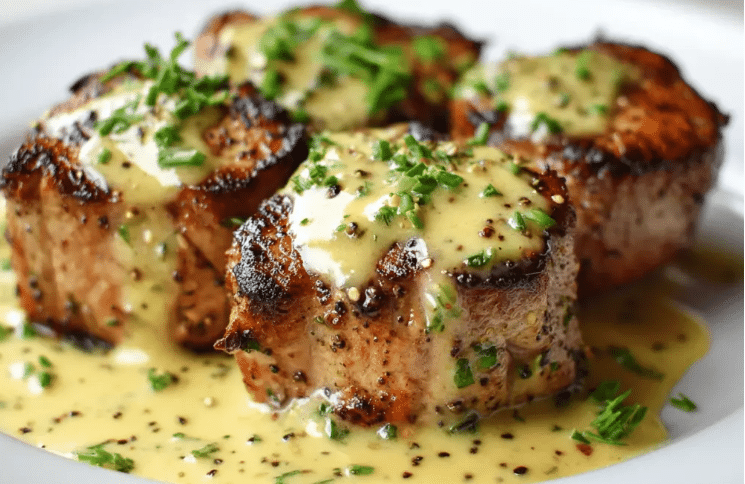
The Ultimate Pork Tenderloin with Creamy Dijon Sauce: Your New Go-To Easy 30-Minute Dinner
Let’s be completely honest with each other for a second: the 5:00 PM dinner panic is a universal struggle. You’ve had a long, exhausting day, your energy levels are entirely depleted, and the absolute last thing you want to do is spend two hours standing over a hot stove, only to be rewarded with a mountain of dirty dishes.
But at the same time, you want something good. You don’t want another boring bowl of cereal or a sad, dry sandwich. You are craving something comforting, something that feels a little bit elevated, and something that tastes like you ordered it from that expensive little French bistro downtown.
Welcome to the solution to all your weeknight dinner dilemmas: Pork Tenderloin with Creamy Dijon Sauce.
This recipe is, without a doubt, an absolute game-changer in the kitchen. It is the perfect marriage of a high-protein, lean cut of meat and an incredibly rich, luxurious sauce that comes together so fast it will make your head spin. We are talking about a true easy 30-minute dinner that requires minimal prep, uses only one pan (hello, easy cleanup!), and delivers maximum, mind-blowing flavor.
If you have been searching for a foolproof pork tenderloin recipe that guarantees juicy, melt-in-your-mouth meat every single time, grab your favorite skillet. Let’s dive into the delicious details of your new favorite weeknight staple.
Why Pork Tenderloin is the King of Quick Weeknight Dinners
Before we talk about that liquid gold mustard sauce, we need to talk about the star of the show: the pork tenderloin.
If you are a regular around here, you know I am deeply passionate about choosing the right cut of meat for the right job. When it comes to a quick weeknight dinner, the pork tenderloin is absolutely unmatched. But wait—before you run to the butcher, we need to clarify one very crucial point that trips up home cooks all the time.
The Tenderloin vs. The Loin
Do not, under any circumstances, confuse a pork tenderloin with a pork loin.
- The Pork Loin: This is a large, wide, and thick cut of meat. It usually has a thick fat cap on top and is meant to be slow-roasted in the oven for over an hour. If you try to cook a massive pork loin in 30 minutes on the stovetop, you will end up with a raw center and a burnt exterior.
- The Pork Tenderloin: This is what we are using today! It is a long, thin, narrow strip of meat that comes from the muscle along the pig’s spine. Because this muscle does very little physical work, the meat is incredibly lean and astonishingly tender. It cooks in a flash, making it the absolute perfect candidate for our easy 30-minute dinner.
Because the tenderloin is so lean, it doesn’t have a lot of intramuscular fat (marbling) to keep it moist if you overcook it. That is precisely why we rely on a quick, high-heat sear and a deeply flavorful pan sauce to keep everything rich and succulent.
Anatomy of a Masterpiece: The Creamy Mustard Sauce for Pork
The pork itself is wonderful, but let’s not kid ourselves—the real reason you are going to crave this dish every single week is the sauce. This creamy mustard sauce for pork is a masterclass in flavor balancing, utilizing the classic French technique of building a pan sauce.
When you sear the meat in your skillet, it leaves behind sticky, caramelized brown bits stuck to the bottom of the pan. In the culinary world, this is called the fond, and it is pure, concentrated flavor. Instead of washing it away, we use liquids to unstick those bits and build our sauce right on top of them.
Here is why this specific sauce works so beautifully:
- The Tang (Dijon Mustard): You cannot use standard yellow hot dog mustard here. You need authentic Dijon mustard. Dijon is made with brown mustard seeds and white wine (or verjuice), giving it a sharp, complex, and slightly spicy tang that cuts right through the richness of the cream.
- The Richness (Heavy Cream): This is what transforms the sauce from a thin liquid into a velvety, luxurious blanket that coats the back of your spoon. The fat in the heavy cream smooths out the sharp bite of the mustard, creating a perfect harmony on your palate.
- The Savory Base (Chicken Broth & Garlic): Chicken broth deglazes the pan, lifting up all that incredible fond, while fresh minced garlic provides a deep, aromatic warmth that anchors the entire dish.
The Ingredient Lineup: What You Need
The beauty of this easy Dijon mustard pork recipe is that it relies on everyday pantry and fridge staples. You don’t need to visit a specialty grocery store to make this magic happen.
For the Pork:
- 1.5 lbs Pork Tenderloin: This is usually one large tenderloin or two smaller ones. Make sure to remove the silver skin (that tough, shiny white membrane) before cooking!
- 1 tbsp Olive Oil: For getting that beautiful, golden-brown sear.
- 1 tbsp Unsalted Butter: Adding a little butter to the oil helps promote browning and adds a nutty flavor to the crust.
- Salt and Freshly Cracked Black Pepper: Season generously. Lean meat desperately needs a good amount of salt to bring out its natural savory flavors.
- 1 tsp Garlic Powder & 1 tsp Smoked Paprika: This simple spice rub adds color and a subtle, smoky depth to the crust of the meat.
For the Creamy Dijon Sauce:
- 2 cloves Garlic: Freshly minced. Please avoid the jarred, pre-minced garlic if you can—fresh garlic makes a massive difference in a quick pan sauce!
- 1/2 cup Chicken Broth: Low-sodium is best so you have total control over how salty your final sauce is.
- 3/4 cup Heavy Whipping Cream: Do not substitute this with regular milk, or your sauce will be watery and might curdle when it hits the heat and the mustard.
- 2 generous tbsp Dijon Mustard: The star flavor profile!
- 1 tsp Whole Grain Mustard (Optional but highly recommended): This adds beautiful little pops of texture and visual appeal to the sauce.
- Fresh Thyme or Parsley: For a burst of green freshness and an earthy aroma right at the very end.
Step-by-Step Kitchen Guide: From Prep to Plate in 30 Minutes
Are you ready to create a restaurant-quality pork recipe right in your own kitchen? Let’s walk through the process step-by-step. Timing is everything when making an easy 30-minute dinner, so I highly recommend having all your ingredients chopped, measured, and sitting by the stove before you turn on the heat (this is called mise en place).
Step 1: Prep and Season the Meat
Start by taking your pork tenderloin out of the fridge about 15 minutes before you want to cook it. Taking the chill off the meat helps it cook more evenly. Trim away any tough silver skin using a sharp knife. Pat the meat completely dry with paper towels—moisture is the enemy of a good crust! In a small bowl, mix your salt, black pepper, garlic powder, and smoked paprika. Rub this mixture evenly all over the pork.
Step 2: The Perfect Golden Sear
Place a large skillet (cast iron or heavy-bottomed stainless steel works best) over medium-high heat. Add your olive oil and butter. Once the butter is melted and foaming, gently lay your pork tenderloin in the pan.
Leave it completely alone for about 3 to 4 minutes until a gorgeous, dark golden crust forms. Rotate the meat with tongs, searing all sides until the entire tenderloin is beautifully browned. This process locks in the flavor and builds our fond at the bottom of the pan.
Step 3: Cook to Perfection
Once seared on all sides, lower the heat slightly. You can either leave the skillet on the stovetop, turning the meat occasionally until the internal temperature reaches 145°F (63°C), or you can pop the whole oven-safe skillet into a preheated 400°F (200°C) oven for about 10-15 minutes.
Crucial Tip for Juicy Pork Tenderloin: Do not overcook this meat! Lean pork turns dry and powdery very quickly. Use a digital meat thermometer. Pull the pork out of the pan when it hits exactly 140°F to 142°F. The residual heat will continue to cook the meat as it rests, bringing it to a perfectly safe, incredibly juicy 145°F with a very slight blush of pink in the center.
Step 4: Rest the Meat
Remove the cooked pork tenderloin from the skillet and place it on a clean cutting board. Do not slice it yet! Let it rest for at least 5 to 10 minutes. This allows the tense muscle fibers to relax and redistribute the hot juices throughout the meat. If you slice it right away, all that liquid will end up on your cutting board, leaving you with dry pork.
Step 5: Build the Creamy Dijon Pan Sauce
While the meat is resting, it’s time to make the magic happen. Keep your skillet on the stove over medium heat. Toss your minced garlic into the leftover pork drippings and sauté for just 30 seconds until fragrant. Next, pour in the chicken broth. Use a wooden spoon to scrape up all those delicious, sticky brown bits from the bottom of the pan—that is pure flavor! Let the broth bubble and reduce by about half.
Reduce the heat to low. Whisk in the heavy cream, Dijon mustard, and whole grain mustard. Let the sauce gently simmer for about 3 to 4 minutes. As it simmers, it will begin to thicken into a beautiful, glossy glaze. Taste the sauce and add a pinch of salt or pepper if needed.
Step 6: Slice and Smother
Take your beautifully rested pork tenderloin and use a sharp knife to cut it into thick, juicy medallions (about 1-inch thick). Arrange the pork medallions on a serving platter, or nestle them right back into the skillet with the sauce. Finally, spoon copious amounts of that rich, creamy mustard sauce for pork right over the top of the meat. Garnish with a sprinkle of fresh chopped parsley or thyme leaves.
The Perfect Pairings: What to Serve on the Side
Because this Pork Tenderloin with Creamy Dijon Sauce is so incredibly rich and savory, you need side dishes that can hold their own and, more importantly, soak up every last drop of that liquid gold pan sauce. You do not want any of that Dijon cream going to waste!
1. The Carb Soakers
- Garlic Butter Mashed Potatoes: This is the ultimate comfort food pairing. A pile of fluffy, creamy mashed potatoes acts as the perfect sponge for the mustard sauce.
- Egg Noodles or Fettuccine: Toss hot, freshly boiled pasta in a little butter and serve the pork and sauce directly over the top. The sauce coats the noodles beautifully.
- Crusty French Bread: If you want to keep things simple, just grab a warm, crusty baguette to literally wipe your plate clean at the end of the meal.
2. The Fresh Greens
- Roasted Asparagus: The slight bitterness and earthy flavor of asparagus pairs incredibly well with the sharp tang of the Dijon mustard. Toss them in olive oil and roast them while the pork is cooking.
- Garlic Sautéed Green Beans: Quick, crunchy, and vibrant. The crisp texture provides a great contrast to the soft, tender pork.
- A Simple Arugula Salad: Dress some fresh, peppery arugula with a light lemon vinaigrette. The bright acidity of the salad acts as a perfect palate cleanser against the rich, heavy cream sauce.
Pro-Tips for Leftovers: Storage and Reheating
If you are lucky enough to have leftovers of this one-pan pork dinner, you have an incredible lunch waiting for you the next day. However, reheating lean pork requires a delicate touch to prevent it from turning into shoe leather.
Storage: Let the pork and sauce cool to room temperature. Place the leftover pork medallions in an airtight container and pour every last drop of the remaining sauce directly over the meat. The sauce acts as a protective blanket, keeping the pork moist in the fridge. It will stay fresh for up to 3 days.
Reheating: Step away from the microwave! The microwave blasts the meat with high heat, instantly drying out the pork and often causing the cream sauce to separate or “break,” leaving you with an oily mess.
- The Skillet Method (Highly Recommended): Place the pork and the sauce back into a skillet over medium-low heat. Add a splash of chicken broth or a tablespoon of water to loosen up the cold cream sauce. Cover the skillet with a lid and let it steam gently for about 5 minutes, just until the meat is warmed through.
- The Oven Method: Place the meat and sauce in a small baking dish, cover it tightly with aluminum foil to trap the moisture, and bake at 300°F (150°C) for about 10-15 minutes.
Frequently Asked Questions (FAQ)
Can I make this dairy-free? While heavy cream provides the best texture and stability for boiling, you can substitute it with a full-fat coconut milk (the kind from a can, not a carton) for a dairy-free alternative. Just be aware it will add a very subtle coconut flavor to the background of the dish.
Can I use pork chops instead of pork tenderloin? Yes, absolutely! Boneless pork chops work wonderfully with this creamy mustard sauce for pork. Just adjust your cooking time. Chops usually take about 4 to 5 minutes per side, depending on their thickness. Use your meat thermometer to ensure they reach 145°F!
Why did my sauce curdle and separate? Sauces made with dairy can separate if they are boiled too aggressively or if you use a low-fat dairy option like skim milk or half-and-half. Heavy cream has enough fat to remain stable when boiled. Always remember to turn your heat down to a gentle simmer before adding the cream and the mustard!
Final Thoughts: Bring the Bistro to Your Kitchen
You do not need culinary school training or a massive grocery budget to eat incredibly well during the week. This Pork Tenderloin with Creamy Dijon Sauce is proof that with a few simple techniques—like getting a great sear, utilizing the fond for a pan sauce, and respecting the internal temperature of the meat—you can elevate a basic piece of pork into a total masterpiece.
It is fast, it is fiercely flavorful, and it is going to make you look like a total rockstar in the kitchen. Stop stressing about dinner, grab your skillet, and let the magic of Dijon and heavy cream do the heavy lifting tonight.
Happy cooking, and enjoy every single bite of that sauce! 🍽️✨