
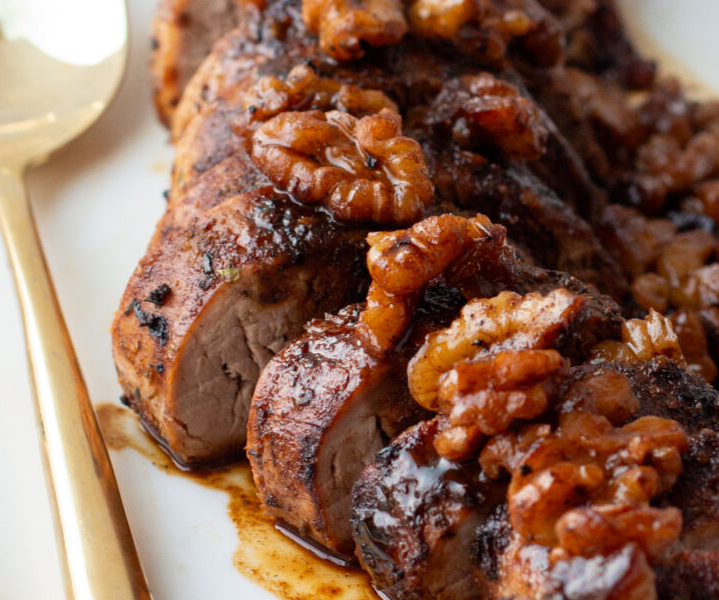
The Ultimate Bourbon Pork Tenderloin: A Sweet, Savory, and Sticky Masterpiece
Let’s be completely honest for a second. Cooking pork can sometimes feel like a high-stakes gamble. We have all experienced the tragedy of slicing into a beautiful piece of meat, only to discover it’s as dry as the Sahara Desert. It is a heartbreaking moment in any kitchen. But what if I told you that you never have to experience dry, flavorless pork ever again?
Welcome to the ultimate guide to making Bourbon Pork Tenderloin. This is not just another boring weeknight meal. This is a restaurant-quality, jaw-dropping, flavor-packed dish that will make your family and friends think you spent hours slaving away over a hot stove. The truth? It is ridiculously easy, and the oven does most of the heavy lifting.
Whether you are hosting a fancy weekend dinner party or just trying to get a decent, wholesome meal on the table on a chaotic Wednesday night, this easy pork tenderloin recipe is going to become your new best friend. The secret lies in a mind-blowing marinade that balances the deep, oaky warmth of bourbon with the sweet caramel notes of brown sugar and the savory punch of soy sauce.
Grab your apron, because things are about to get incredibly delicious here at Kings Kitchen.
Why Pork Tenderloin is the MVP of the Meat Aisle
Before we dive into the magic of the bourbon glaze, we need to talk about the star of the show: the pork tenderloin itself.
A lot of people confuse pork loin with pork tenderloin. Let’s clear that up right now because they are completely different cuts of meat, and if you buy the wrong one, this recipe won’t work the way it’s supposed to.
A pork loin is a large, wide, and thick cut of meat that looks almost like a roast. A pork tenderloin, on the other hand, is a long, thin, narrow cut that usually weighs about one to one-and-a-half pounds. As the name suggests, it is the most tender cut of pork you can buy. It is the filet mignon of the pig.
Because it is incredibly lean, it cooks very quickly. However, that lack of fat also means it doesn’t have a built-in safety net of moisture, which is why it can dry out if you aren’t careful. That is exactly why we use a robust pork tenderloin marinade. The marinade not only infuses the meat with incredible flavor from the inside out, but it also helps tenderize the protein fibers and lock in that essential moisture.
Pork tenderloin is also surprisingly affordable and healthy. It is packed with high-quality protein, B vitamins, and zinc, making it a fantastic option for anyone trying to eat clean without sacrificing flavor.
The Magic of the Bourbon Marinade: Breaking Down the Ingredients
If you want to know how to cook pork tenderloin so that it bursts with flavor, you have to master the marinade. This isn’t just a random mix of liquids; it is a carefully calculated balance of acid, fat, salt, and sugar. Let’s break down exactly what goes into our famous Bourbon Pork Tenderloin and why every single ingredient matters.
1. The Bourbon (The Star of the Show)
You cannot make bourbon glazed pork without the bourbon! You don’t need to use an ultra-expensive, top-shelf bottle here—save that for sipping. But you do want to use a bourbon that you actually enjoy drinking. The bourbon adds a complex depth of flavor with notes of oak, vanilla, and caramel. Does the alcohol cook off? Yes, mostly. As the marinade reduces into a glaze, the harsh alcohol burns off, leaving behind only that sweet, smoky flavor profile.
2. Soy Sauce (The Umami Bomb)
To balance the sweetness of the bourbon, we need salt and umami. Soy sauce brings a deep, rich, earthy saltiness that penetrates the meat perfectly. If you are watching your sodium intake or want to make this gluten-free, you can easily swap the traditional soy sauce for a low-sodium version, tamari, or coconut aminos.
3. Brown Sugar (The Caramelizer)
Brown sugar is the key to getting that gorgeous, sticky, caramelized crust on the outside of the pork. White sugar will just burn, but the molasses in brown sugar melts down beautifully and mixes with the pork juices and bourbon to create a glaze that you will literally want to eat with a spoon.
4. Dijon Mustard (The Emulsifier and Tang)
Dijon mustard is a magical ingredient in marinades. Not only does it add a sharp, tangy bite that cuts through the richness of the meat, but it also acts as an emulsifier, helping the oil and the water-based ingredients (like bourbon and soy sauce) blend together smoothly.
5. Fresh Garlic and Ginger (The Aromatics)
Please, I am begging you, do not use the powdered stuff for this if you can help it. Freshly minced garlic and freshly grated ginger elevate this best pork tenderloin recipe from “good” to “gourmet.” They provide a fresh, zesty, slightly spicy kick that brightens up the entire flavor profile.
6. Olive Oil (The Fat)
Since pork tenderloin is so lean, we need to introduce a little bit of fat to the marinade. Olive oil helps transfer the fat-soluble flavors (like the garlic and ginger) directly into the meat and protects the pork when it hits the hot pan for the initial sear.
Step-by-Step Guide: How to Make Bourbon Pork Tenderloin
Alright, let’s get down to business. Making an oven-roasted pork tenderloin might sound intimidating, but it is actually a very straightforward, fool-proof process if you follow these steps.
Step 1: Prep the Pork (The Most Important Step!)
When you take your pork tenderloin out of the package, you will notice a shiny, white, tough layer of tissue running along one side of the meat. This is called the “silverskin.” You must remove the silverskin. Unlike fat, silverskin does not melt down when cooked. It shrinks, gets tough, and turns rubbery, which will cause your beautiful tenderloin to curl up and become chewy. To remove it, slip a sharp knife under one end of the silverskin, hold the flap tightly with a paper towel (it’s slippery!), and glide the knife carefully along the meat to peel it off.
Step 2: Mix the Marinade
In a medium-sized bowl, whisk together the bourbon, soy sauce, brown sugar, Dijon mustard, minced garlic, grated ginger, and olive oil. Whisk it vigorously until the brown sugar is completely dissolved. Pro-Tip: Reserve about 1/4 cup of this marinade and set it aside in the fridge. You are going to use this later to make the sticky pan glaze!
Step 3: Marinate the Meat
Place your trimmed pork tenderloins into a large, heavy-duty ziplock bag. Pour the remaining marinade over the meat, squeeze out as much air as possible, and seal the bag tightly. Massage the bag a little bit to ensure every inch of the pork is covered in that liquid gold. Place the bag in the refrigerator. How long should you marinate it? At the absolute minimum, give it 2 hours. But if you want the best results, let it marinate overnight (up to 24 hours). The longer it sits, the deeper the flavor goes.
Step 4: The Crucial Sear
When you are ready to cook, preheat your oven to 400°F (200°C). Take the pork out of the marinade (discard the ziplock bag and the used marinade—it has raw meat juice in it!) and pat the pork dry with paper towels. I know it sounds counterintuitive to dry off the marinade, but you need a dry surface to get a good crust. Heat a large, oven-safe skillet (cast iron is perfect for this) over medium-high heat with a little bit of oil. Once the pan is screaming hot, carefully place the pork tenderloins in. Let them sear undisturbed for 2-3 minutes per side until a deep, dark golden-brown crust forms. This is the Maillard reaction, and it is where all the savory flavor lives!
Step 5: Into the Oven
Once the pork is seared on all sides, immediately transfer the skillet directly into your preheated 400°F oven. Roast the pork for about 15 to 20 minutes. The exact time will depend on the thickness of your tenderloins. The only reliable way to know when pork is done is by using a digital meat thermometer. You want to pull the pork out of the oven when the internal temperature reaches exactly 145°F (63°C) at the thickest part.
Step 6: The Mandatory Rest Period
When you take the pork out of the oven, do not cut into it right away! I repeat, put the knife down! Transfer the pork to a cutting board and tent it loosely with aluminum foil. Let it rest for at least 10 minutes. During this time, the muscle fibers relax, and all those delicious juices redistribute themselves throughout the meat. If you cut it immediately, all the juice will run out onto your cutting board, leaving you with dry pork.
Step 7: Make the Sticky Glaze
While the pork is resting, place your skillet back on the stove over medium heat (be careful, the handle will still be blazing hot from the oven!). Pour the 1/4 cup of reserved marinade that you saved earlier into the skillet. Let it bubble and simmer for 2 to 3 minutes, scraping up any browned bits from the bottom of the pan, until it reduces into a thick, sticky, syrupy glaze.
Step 8: Slice, Drizzle, and Serve
Slice the rested pork tenderloin into thick medallions (about 1-inch thick). Arrange them beautifully on a serving platter and drizzle that glorious, reduced bourbon glaze right over the top. Garnish with a little fresh chopped parsley or green onions for a pop of color, and get ready to receive a standing ovation from your dinner guests.
The Secret to the Perfect Temperature: Why 145°F is the Magic Number
If you grew up in the 80s or 90s, your parents probably cooked pork until it was completely white, tough, and dry as a bone. For a long time, the safety recommendation for pork was an internal temperature of 160°F.
However, culinary science and food safety standards have evolved. The USDA now recommends cooking whole cuts of pork (like tenderloin) to an internal temperature of 145°F, followed by a 3-minute rest.
At 145°F, your pork will still have a slight, beautiful blush of pink in the center. This is not undercooked; this is perfection. It is safe, incredibly juicy, and tender enough to cut with a butter knife. Investing in a good quality, instant-read digital meat thermometer is the single best thing you can do for your cooking. It takes the guesswork out of this easy pork tenderloin recipe and guarantees success every single time.
What to Serve with Bourbon Pork Tenderloin
You have a masterpiece of a main course, but a king needs a royal court. Because the flavor profile of this bourbon glazed pork is rich, sweet, and savory, you want side dishes that complement it without overpowering it. Here are some fantastic pairing ideas to complete your meal:
1. The Carb Comforters
- Garlic Mashed Potatoes: The classic pairing. A mountain of creamy, buttery, garlic-infused mashed potatoes is the perfect vehicle for soaking up any extra bourbon glaze left on your plate.
- Sweet Potato Casserole or Mash: Since the marinade uses brown sugar and bourbon, it naturally pairs beautifully with the earthy sweetness of sweet potatoes.
- Wild Rice Pilaf: A nutty, textured wild rice with some dried cranberries and pecans mixed in plays beautifully with the autumnal flavors of the bourbon.
2. The Veggie Balancers
- Roasted Brussels Sprouts: Toss them with olive oil, salt, pepper, and a little bacon, and roast them until crispy. The slight bitterness of the sprouts perfectly cuts the sweetness of the pork.
- Garlic Butter Green Beans: Quick, crisp, and vibrant. Blanch them and toss them in a hot skillet with butter and garlic for a fresh, easy side.
- Honey Glazed Carrots: Keep the sweet theme going by roasting carrots until tender with a little honey and thyme.
3. Wine Pairings
If you are serving this for a special occasion, you need the right drink. The sweetness and tang of the glaze pair wonderfully with a fruit-forward Pinot Noir or a slightly earthy Syrah. If you prefer white wine, an oaky Chardonnay or an off-dry Riesling will balance the savory soy sauce notes perfectly.
How to Store, Freeze, and Reheat Leftovers
If you are lucky enough to have leftovers (which rarely happens in my house when I make this), here is how to handle them so they taste just as good the next day.
- To Store: Allow the leftover sliced pork to cool completely to room temperature. Place it in an airtight container, pouring any leftover glaze right over the top to keep it moist. Store in the refrigerator for up to 3-4 days.
- To Freeze: You can definitely freeze cooked pork tenderloin! Wrap the slices tightly in plastic wrap, then place them in a freezer-safe ziplock bag. Squeeze out the air and freeze for up to 3 months. Thaw safely overnight in the fridge before reheating.
- To Reheat: The microwave is the enemy of tender pork. It will turn it to rubber in seconds. The best way to reheat is on the stovetop. Place the slices in a skillet over low heat with a tiny splash of chicken broth or water. Cover the pan with a lid and let the steam gently warm the meat through without drying it out. It only takes a few minutes!
Frequently Asked Questions (FAQ)
To make sure you are fully equipped to master this recipe, let’s go over some of the most common questions people ask when making Bourbon Pork Tenderloin.
1. Can I substitute the bourbon for something else? If you prefer not to cook with alcohol, you can absolutely make a substitution. Apple cider or apple juice makes a fantastic alternative. It will give the pork a sweeter, fruitier flavor but will still caramelize beautifully in the oven. If you want to mimic the smoky depth of bourbon, add a tiny drop of liquid smoke or a pinch of smoked paprika to the apple cider.
2. Can I make this in a slow cooker (Crockpot)? You can, but I wouldn’t recommend it for a tenderloin. Pork tenderloin is incredibly lean, and slow cookers are designed for tough, fatty cuts of meat (like pork shoulder) that need hours to break down. If you put a tenderloin in a slow cooker, it will likely turn out dry and stringy. The high-heat sear and quick roast method is truly the best way for this specific cut.
3. What is the difference between light and dark brown sugar in this recipe? You can use either! Light brown sugar will give you a milder, sweeter glaze, while dark brown sugar contains more molasses, giving the glaze a deeper, richer, and slightly more bitter caramel flavor. Both work beautifully, so use whatever you have in your pantry.
4. Why is my glaze too watery? If you boiled your reserved marinade and it didn’t thicken up into a syrupy glaze, you probably just need to give it a little more time. The water content needs to evaporate. If you are in a rush, you can whisk in a tiny cornstarch slurry (1/2 teaspoon of cornstarch mixed with 1/2 teaspoon of cold water) to help it thicken instantly.
5. Can I use pork chops instead of tenderloin? Yes! The marinade is incredible on thick-cut pork chops. The cooking time will be different, however. You will want to pan-sear the chops until they reach 145°F internally. Because chops are thinner than a whole tenderloin, you might not even need to put them in the oven.
6. Is it safe to eat pork that is pink in the middle? A hundred times, yes! As long as your digital meat thermometer reads 145°F (63°C), the meat is completely safe to consume, regardless of the color. A slight pink hue means you have achieved maximum juiciness.
7. Should I marinate the meat at room temperature or in the fridge? Always, always marinate meat in the refrigerator. Leaving raw meat on the counter at room temperature for hours is a serious food safety hazard and allows harmful bacteria to multiply rapidly. Keep it cold until about 20 minutes before you are ready to sear it.
Final Thoughts
Cooking should be fun, rewarding, and, most importantly, delicious. This Bourbon Pork Tenderloin recipe checks all the boxes. It takes minimal hands-on effort, utilizes simple pantry ingredients, and delivers a gourmet result that looks and tastes like a million bucks.
The next time you are standing in the grocery store wondering what to make for dinner, walk right past the boring chicken breasts and grab a couple of pork tenderloins. Whisk up this bourbon marinade, let it do its magic, and enjoy the best pork dinner you will ever make.
Happy cooking!