
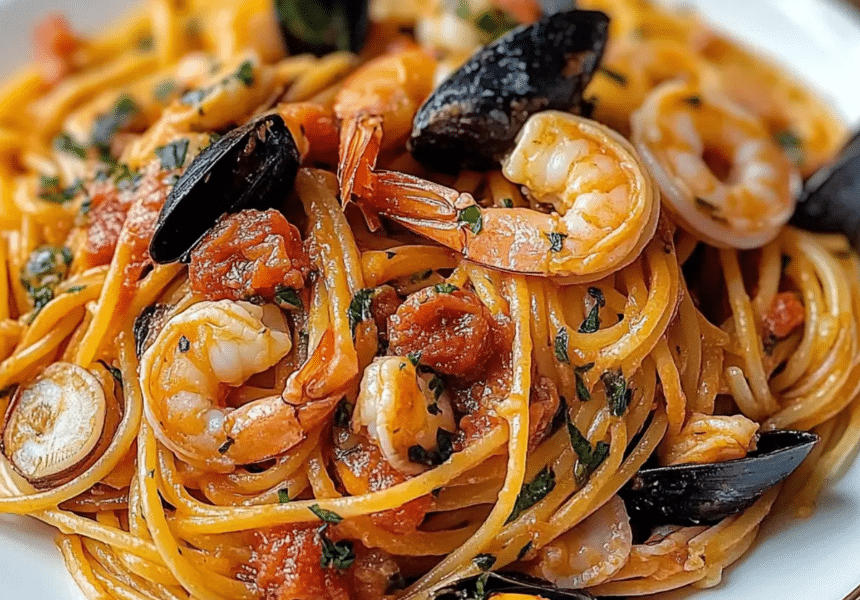
The Ultimate Classic Italian Seafood Pasta: A Mediterranean Masterpiece
Let’s be completely honest with each other for a second: there is a huge difference between cooking dinner and creating a culinary experience. Most weeknights, we are just looking for something fast and filling to throw onto a plate. But every now and then, a weekend rolls around, or a special occasion pops up, and we want to cook something that makes everyone at the table stop talking, look up, and say, “Oh my gosh, you made this?”
If you are looking for that ultimate show-stopping meal, look no further than a Classic Italian Seafood Pasta (traditionally known in Italy as Spaghetti allo Scoglio or Frutti di Mare).
There is an intimidating aura around cooking seafood at home. Many home cooks are terrified of turning expensive shrimp into rubber balls, or they worry that a homemade sauce won’t have that deep, oceanic richness you get at a high-end coastal restaurant. Today, we are going to completely shatter those fears.
This recipe is an absolute masterpiece. It features long, elegant strands of spaghetti tossed in a glossy, vibrant garlic white wine sauce that is loaded to the brim with succulent shrimp, tender calamari, and sweet, juicy clams and mussels. It is the ultimate restaurant-style pasta at home that looks like it took hours of laborious French technique, but it actually comes together in one single pan in less than 30 minutes.
Grab your best olive oil, pop open a bottle of crisp white wine, and let’s dive deep into the world of authentic, comforting Italian cooking!
The Philosophy of Authentic Italian Seafood: Simplicity is King
Before we start boiling our water or chopping our garlic, we need to talk about the core philosophy of Italian cuisine. In many Western kitchens, we have a habit of over-complicating things. We add heavy creams, blocks of cheese, and a dozen different dried spices to our pasta sauces.
If you go to a seaside trattoria in Italy, you will quickly realize that an authentic Italian seafood dinner relies on the exact opposite principle: extreme simplicity.
The ocean provides its own incredible, natural saltiness and umami. The goal of the chef is not to hide the flavor of the seafood under a blanket of heavy sauce, but rather to use a few high-quality aromatics to lift and highlight those natural ocean flavors.
Our sauce doesn’t use heavy cream (in fact, putting dairy or cheese on a seafood pasta is considered a massive culinary crime in Italy!). Instead, we create a beautiful emulsion using just premium extra virgin olive oil, fresh garlic, a splash of dry white wine, a pinch of red pepper flakes, and the natural starchy water released from boiling the pasta. This creates a light, silky glaze that coats every single strand of spaghetti without weighing it down.
Ingredients Checklist: What You Need to Shop For
To make the best seafood pasta recipe of your life, fresh ingredients are paramount. Let’s look at your grocery list. If you can, head to a local fishmonger or a grocery store with a high-quality fresh seafood counter.
The Seafood Lineup:
- 1/2 lb Fresh Mussels: Cleaned and debearded. They should be tightly closed when you buy them.
- 1/2 lb Fresh Littleneck Clams: Scrubbed thoroughly to remove any hidden sand or grit.
- 1/2 lb Large Shrimp: Peeled and deveigned (you can leave the tails on for a gorgeous restaurant look!).
- 1/2 lb Calamari (Squid): Tubes and tentacles, sliced into thin rings.
The Foundational Aromatics & Sauce:
- 1 lb Spaghetti or Linguine: High-quality, bronze-cut Italian pasta is the absolute best choice here because its rough texture helps the sauce cling to it.
- 1/4 cup Extra Virgin Olive Oil: Use a good quality oil—it makes up the base of our sauce!
- 6 Cloves Fresh Garlic: Thinly sliced or finely minced. We want a rich garlic presence.
- 1/2 tsp Crushed Red Pepper Flakes: For that subtle, warming Mediterranean kick.
- 3/4 cup Dry White Wine: Think Pinot Grigio, Sauvignon Blanc, or a crisp Chardonnay. (Rule of thumb: if you wouldn’t drink it from a glass, don’t put it in your sauce!).
- 1 cup Cherry Tomatoes: Halved. These add a beautiful pop of color and a light, sweet acidity that cuts through the rich seafood.
- 1 Bunch Fresh Flat-Leaf Parsley: Coarsely chopped for that essential fresh finish.
- Salt: For the massive pot of pasta water.
Step-by-Step Kitchen Walkthrough: Mastering the Skillet
Grab a very large, deep skillet or a wide Dutch oven. We need plenty of surface area so all of our beautiful shellfish have room to open up and release their delicious juices!
Step 1: Prep and Clean the Shellfish
Before anything hits the heat, your seafood needs a little love.
- The Clams and Mussels: Run them under cold water and give them a good scrub. If you see any hairy bits hanging out of the mussels, that is the “beard”—simply grab it with your fingers and pull it firmly toward the hinge of the shell to snap it off. Inspect the shells. If any clams or mussels are wide open, tap them gently against the counter. If they don’t close up within a few seconds, they are no longer fresh—throw them out immediately!
- The Shrimp and Calamari: Pat them completely dry with a paper towel. Removing excess moisture ensures they get a beautiful quick sear instead of steaming in the pan.
Step 2: Boil the Pasta Water Like an Italian
Bring a massive pot of water to a roaring boil. Once it’s boiling, dump in a generous handful of sea salt. Your pasta water should taste like the ocean!
Drop your spaghetti into the water. We want to cook the pasta until it is extremely al dente—about 2 minutes shorter than the package instructions. Why? Because the spaghetti is going to finish cooking directly inside our hot seafood sauce later, absorbing all those incredible juices.
Step 3: Sauté the Aromatics and Tomatoes
While your pasta is boiling, heat your extra virgin olive oil in your large skillet over medium heat.
Add the sliced garlic and crushed red pepper flakes. Cook for about 1 minute, stirring constantly. You want the garlic to turn fragrant and translucent, but do not let it brown or burn, as burnt garlic turns bitter and will ruin the delicate white wine sauce.
Toss in the halved cherry tomatoes and a tiny pinch of salt. Sauté for 3 to 4 minutes until the tomatoes begin to soften, blister, and release their sweet juices into the oil.
Step 4: Stream in the White Wine and Steam the Shellfish
Turn the heat up to medium-high and pour in your dry white wine. Let it bubble rapidly for about 2 minutes so the harsh alcohol aroma evaporates, leaving behind a rich, fruity wine reduction.
Now, add your cleaned clams and mussels directly into the bubbling liquid. Cover the skillet immediately with a tight-fitting lid. Let them steam for about 4 to 5 minutes. As they cook, they will pop open and release their natural, salty, mineral-rich sea liquor straight into our wine sauce.
Take the lid off, inspect the pan, and use tongs to remove any clams or mussels that refused to open—those are duds and should be discarded.
Step 5: Add the Delicate Seafood
Push the shellfish slightly to the edges of the skillet and drop your shrimp and calamari rings right into the center of the bubbling sauce.
Cook them uncovered for just 2 minutes, tossing them gently in the liquid. The shrimp will start turning a gorgeous pink color, and the calamari will opaque. They do not need to be completely cooked through yet, as they will finish cooking in the next step.
Step 6: The Great Pasta Emulsion
Using tongs, lift your starchy, hot spaghetti straight out of the boiling water and drop it directly into your skillet with the seafood and sauce. Do not drain your pasta water down the sink! We need that water.
Drizzle a couple of ladles of that starchy cooking water right into the skillet. Toss everything together vigorously over high heat for 1 to 2 minutes. Watch closely as a cooking miracle happens: the starch from the pasta water blends with the olive oil and seafood juices, creating a glossy, silky, thick glaze that perfectly clings to every single strand of pasta.
Remove the skillet from the heat, throw in a massive handful of fresh chopped flat-leaf parsley, and give it one final toss.
How to Cook Seafood Without Overcooking It
If there is one thing that ruins a classic Italian seafood pasta, it is rubbery, chewy seafood. Seafood is incredibly delicate because it contains very little connective tissue. The moment it hits high heat, the muscle fibers tighten up rapidly.
- Watch the Shrimp Shapes: A perfectly cooked shrimp forms a loose “C” shape. If your shrimp curls up so tightly that the head meets the tail to form an “O” shape, it is officially overcooked and dry!
- The Calamari Rule: Calamari is a fascinating protein. It must be cooked either incredibly fast (under 2 minutes) or incredibly slow (braised for over an hour). Anything in between will result in a texture reminiscent of a rubber band. For this fast skillet method, less is definitely more!
Customizing Your Seafood Skillet
The beauty of a home-cooked Frutti di Mare is that you can adapt the seafood selection to match whatever is fresh, available, or on sale at your grocery store.
- The Budget-Friendly Option: If fresh shellfish is too expensive or hard to find, you can make an incredible version of this dish using a bag of high-quality frozen seafood mix (often sold as “Seafood Medley” featuring pre-cooked mussels, shrimp, and calamari). Just thaw it completely, pat it dry, and add it into the sauce at the very end just to warm it through.
- The Decadent Upgrade: Celebrating an anniversary or a big promotion? Toss in some sweet sea scallops or a couple of lobster tails cut in half. Sear the scallops separately in a hot pan with butter for 2 minutes per side, and place them elegantly on top of the finished pasta right before serving.
- The Red Sauce Variation (Spaghetti alla Marinara): If you prefer a tomato-based sauce over a clear garlic white wine sauce, simply add a 14 oz can of high-quality crushed Italian San Marzano tomatoes into the pan along with the white wine, letting it simmer into a rich tomato broth before adding your seafood.
Perfect Pairings: What to Serve with Your Feast
Because this Classic Italian Seafood Pasta is the star of the show, your side dishes should be light, fresh, and designed to complement—not compete with—the delicate flavors of the ocean.
1. The Essential Crusty Bread
You absolutely cannot serve this dish without a loaf of warm, artisanal crusty bread (like a ciabatta or a rustic Italian baguette). Once everyone finishes eating the pasta, there will be a pool of delicious garlic-infused wine and seafood juices left at the bottom of their bowls. Tearing off a piece of bread to mop up that liquid gold is arguably the best part of the entire meal!
2. A Crisp, Bright Salad
Pair your pasta with a simple green salad tossed in a sharp, acidic vinaigrette. A mix of arugula, shaved fennel, and orange segments with a simple lemon-olive oil dressing helps cut through the richness of the olive oil and refreshes your palate between bites.
3. The Wine Pairing
Since we used white wine to build our sauce, make sure you have a chilled bottle ready to pour at the table. Look for high-acid, crisp, clean white wines that mirror the Mediterranean vibes:
- Vermentino: An authentic Italian coastal white wine that naturally features a subtle, salty minerality that pairs beautifully with shellfish.
- Pinot Grigio: Light, dry, and incredibly refreshing.
- Sauvignon Blanc: Brings bright citrus notes that mimic a fresh squeeze of lemon over your seafood.
Storage and Reheating (Yes, You Can Save It!)
There is an old myth in the culinary world that you should never reheat seafood. While it’s true that seafood doesn’t love being cooked twice, you can absolutely store and enjoy your leftovers the next day if you do it gently.
Storage Guidelines
Let the pasta and seafood cool down to room temperature. Transfer everything into a secure, airtight glass container. Pour all the remaining sauce from the pan over the top so the pasta stays hydrated. Store in the refrigerator for up to 24 hours. Because seafood goes bad quickly, it’s best to eat this leftover dinner by lunch or dinner the very next day.
How to Reheat Without Ruining the Texture
Please, keep your leftovers far away from the microwave! The microwave will instantly superheat the water molecules inside your shrimp and calamari, turning them incredibly tough and rubbery.
Instead, use this quick, gentle stovetop method:
- Place a non-stick skillet over medium-low heat and add a tablespoon of olive oil or a splash of chicken broth (or water).
- Pour your leftover pasta and seafood into the pan.
- Cover the skillet with a lid and let it steam gently for about 3 to 4 minutes, stirring once or twice, until the pasta is warm and the sauce liquefies again.
- Serve immediately with a fresh sprinkle of parsley to wake up the flavors!
Frequently Asked Questions (FAQ)
Can I use frozen seafood for this recipe?
Absolutely! Frozen seafood is often frozen right on the boat immediately after being caught, meaning it can sometimes be fresher than the “fresh” seafood sitting in a grocery case for days. Just make sure to thaw it completely in the refrigerator overnight and pat it completely dry before cooking.
Can I add Parmesan cheese to this pasta?
In Italy, adding cheese to seafood is a massive culinary taboo because the strong, salty, dairy profile of aged cheese can easily overwhelm the delicate, sweet flavors of fresh fish. However, it’s your kitchen! If you absolutely love cheese on your pasta, go for it—though I highly recommend trying it once without it to experience the authentic clean flavors!
What can I use as a substitute for white wine?
If you prefer to cook without alcohol, you can easily substitute the white wine for an equal amount of high-quality chicken broth or vegetable broth, mixed with a big squeeze of fresh lemon juice to provide that essential acidic tang that the wine normally brings to the sauce.
Final Thoughts: Bring the Italian Coast to Your Kitchen
At the end of the day, food is all about creating memories and sharing love. This Classic Italian Seafood Pasta is proof that you don’t need a plane ticket to Italy or a massive bill at a fancy seafood restaurant to enjoy the vibrant, sun-drenched flavors of the Mediterranean coast.
By mastering a few simple techniques—like cleaning your shellfish properly, searing your shrimp quickly, and using pasta water to create a silky emulsion—you can serve a meal that is elegant, luxurious, and deeply comforting. It’s a dish that celebrates fresh ingredients, honors tradition, and is guaranteed to make you the absolute hero of dinner time.
So, head down to your local market, pick up some beautiful fresh shellfish, and get ready to cook a dinner that everyone will be talking about for weeks to come.
Happy cooking, everyone! Buon Appetito! 🍝✨