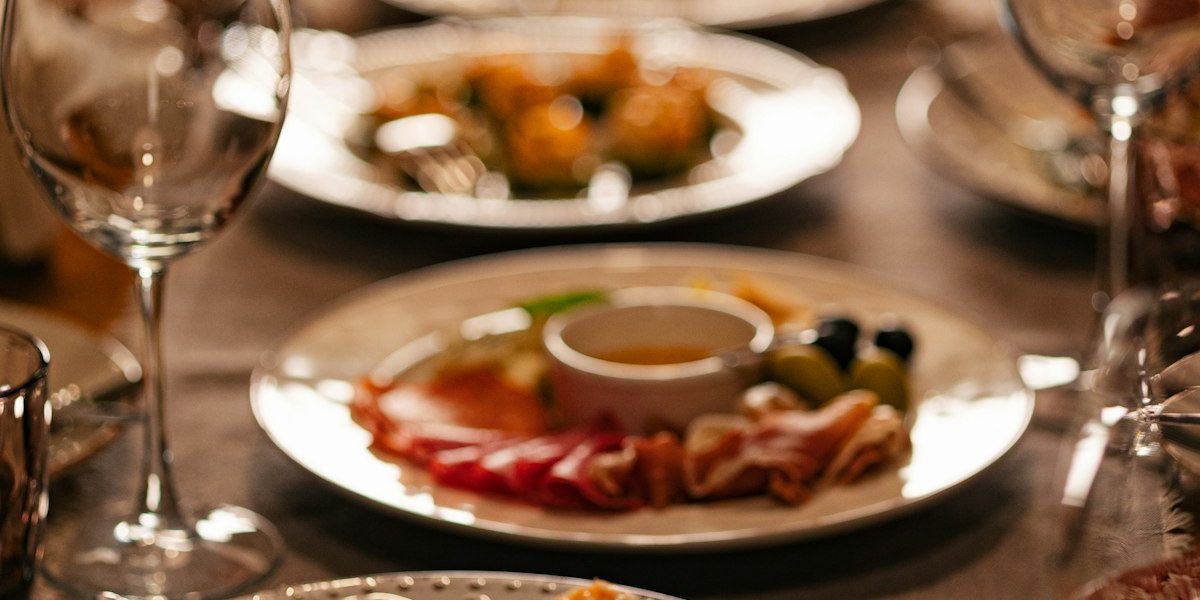
Introduction: The Magic of Tapas
There’s something truly captivating about Spanish tapas. They’re the essence of casual dining—small plates, bold flavors, and social vibes. Whether you’ve sampled them in a cozy Madrid bar or at a high-end restaurant, you’ve probably wondered: how do they get them so perfect?
Good news—you can! By understanding a few restaurant recipe secrets, you’ll be recreating authentic Spanish tapas in your own kitchen in no time.
What Makes Tapas So Special?
A Quick History of Tapas
The word “tapas” literally means “lid.” Originally, Spanish taverns served small slices of bread or ham on top of drinks to keep out flies. Over time, these “lids” became creative, flavorful dishes—and eventually, a national obsession.
If you love food culture, you’ll also enjoy exploring Kings Kitchen’s history of appetizers and starters for inspiration on how simple bites can evolve into art.
The Culture Behind Tapas
Tapas aren’t about eating—they’re about connecting. Spaniards dine slowly, savoring every bite and conversation. Tapas bring people together, making them perfect for family dinners or casual parties.
Why Recreate Restaurant-Style Tapas at Home?
Save Money and Eat Better
Tapas bars are fun—but can quickly get expensive. Recreating them at home means you can enjoy restaurant-style recipes without breaking your budget. Check out Kings Kitchen’s affordable meal ideas and budget cooking tips for wallet-friendly inspiration.

Impress Guests Like a Pro
Nothing elevates a dinner party like beautifully plated tapas. You’ll wow guests by serving small, vibrant bites that look straight out of a Spanish restaurant. Visit Kings Kitchen’s restaurant-style cooking section to learn more about plating and presentation tricks.
Secret #1: Use High-Quality Olive Oil
The Role of Olive Oil in Tapas
Olive oil is the soul of Spanish cuisine. Whether you’re making garlic shrimp (gambas al ajillo) or patatas bravas, its fruity richness defines every dish.
Learn how the pros do it in Kings Kitchen’s cooking techniques guide.
Choosing the Right Type for Flavor
Use extra virgin olive oil from Spanish varieties like Arbequina or Picual. These have a balanced, nutty profile that enhances any tapas dish. Avoid low-quality or refined oils—they dull the flavor instead of elevating it.
Secret #2: Master the Art of Simplicity
Less Is More in Spanish Cuisine
Restaurant chefs follow a golden rule: simplicity over complexity. Tapas shine when you let the main ingredient take center stage. Think crispy calamari, blistered peppers, or chorizo simmered in red wine.
Balance, Not Complexity
Aim for flavor harmony—pair something crunchy with something creamy, or smoky with something bright. Explore Kings Kitchen’s easy recipes collection for inspiration that proves you don’t need 20 ingredients to make something amazing.
Secret #3: Fresh Ingredients Are Everything
Seasonal and Local Produce
Freshness makes all the difference. Tomatoes, peppers, seafood, and herbs—buy the best you can find. The difference between average and extraordinary tapas lies in ingredient quality.
Want to learn ingredient sourcing and freshness hacks? Dive into Kings Kitchen’s home kitchen tips.
Secret #4: The Power of Marination
Infuse Layers of Flavor
Tapas chefs often marinate proteins for deep, aromatic flavor. A splash of olive oil, paprika, garlic, and herbs can transform ordinary chicken or shrimp into a flavor-packed dish.
The 24-Hour Rule
For best results, marinate at least 24 hours. This allows every spice to sink in. For more ideas, explore Kings Kitchen’s copycat restaurant recipes that rely on slow flavor infusion.
Secret #5: Get the Texture Right
Crunchy, Creamy, and Juicy
Great tapas balance texture—crispy croquettes beside creamy aioli or crunchy bread with tender octopus. Texture contrast keeps your palate excited.
Tips for Frying Without Grease Overload
For that golden crunch, fry in small batches using clean, high-heat oil. Check out Kings Kitchen’s crispy appetizers section for perfectly golden examples.
Secret #6: Tapas Are About Timing
Serve Fresh and Hot
Timing makes or breaks tapas. Serve as soon as they’re done to preserve texture and heat. Avoid letting dishes sit too long before serving.
Stagger the Serving
Serve tapas gradually—three at a time. It keeps food fresh and guests intrigued. Read more about restaurant timing tips in Kings Kitchen’s efficiency guide.
Secret #7: Add a Touch of Authentic Spanish Spice
Paprika, Garlic, and Saffron – The Holy Trio
Spanish tapas wouldn’t be the same without smoked paprika (pimentón), garlic, and saffron. These give your dishes that unmistakable warmth and depth. Explore Kings Kitchen’s spice and flavor techniques to see how professionals layer flavor effortlessly.
Secret #8: Presentation Is Everything
The Restaurant Plating Trick
Restaurant tapas look stunning because chefs play with color, contrast, and composition. A sprinkle of herbs or drizzle of olive oil adds instant visual appeal.
Use Color and Height for Visual Appeal
Layer foods to create depth, use contrasting plates, and garnish smartly. Kings Kitchen’s restaurant-style plating tips can help you master that perfect Instagram-worthy finish.
Secret #9: Pair Tapas with the Perfect Drink
From Sangria to Lemonades
Pair your tapas with the right refreshment. A crisp sangria, a cool mocktail, or a refreshing homemade lemonade elevates your meal. You’ll find countless drink ideas at Kings Kitchen’s beverages page or explore their summer refreshments for seasonal flair.
Non-Alcoholic Alternatives for All Ages
Try fruit spritzers, non-alcoholic sangria, or citrus mocktails. Discover more on Kings Kitchen’s mocktail recipes.
How to Create a Tapas Night at Home
Menu Planning and Setup
For a balanced spread, plan 5–7 dishes: a mix of fried, grilled, and creamy. Combine a main protein with a few sides. Need help? Visit Kings Kitchen’s main courses section to pair tapas with satisfying entrées.
Setting the Mood – Spanish Style
Dim the lights, add flamenco tunes, and serve everything on small plates. For dessert, check out Kings Kitchen’s Spanish-inspired sweets to end on a high note.
Common Mistakes to Avoid When Making Tapas
Overcomplicating Recipes
Tapas thrive on simplicity. Don’t drown your dish in sauces or spices. Keep it elegant and focused—just like the pros do.
Skipping the Garnish Game
A sprinkle of parsley, smoked salt, or lemon zest can make or break a dish. Learn more plating nuances at Kings Kitchen’s tips and techniques.
Conclusion: Your Kitchen, Your Tapas Bar
Now you know the secrets behind restaurant-quality tapas—fresh ingredients, simplicity, presentation, and perfect timing. With these nine restaurant recipe secrets, your kitchen can become your very own tapas bar. So grab a glass, share the moment, and toast to the joy of Spanish dining at home. ¡Salud!
FAQs
1. What are the most popular tapas dishes to start with?
Try classics like patatas bravas, gambas al ajillo, and Spanish omelet. You can find starter ideas on Kings Kitchen’s appetizers page.
2. Can I make tapas ahead of time?
Yes, but only certain dishes—like sauces or marinated items. For best results, serve hot tapas fresh.
3. What drinks go best with tapas?
Sangria, Spanish wine, or citrusy mocktails. Find pairings in Kings Kitchen’s drinks and beverages section.
4. Are tapas always served hot?
No—cold tapas like gazpacho or marinated olives are also traditional.
5. What’s the best oil for frying tapas?
Always use high-quality extra virgin olive oil. Learn how to handle it perfectly in Kings Kitchen’s frying techniques.
6. Can I make vegetarian tapas?
Of course! Grilled veggies, cheese bites, and stuffed peppers are fantastic options. See ideas in Kings Kitchen’s easy recipes.
7. How many tapas should I prepare per person?
Plan 4–6 portions per guest for variety without overdoing it.